When you’re at the grocery store, there have probably been a few times when you’ve seen the phrase “Non-GMO”. But what does that mean? What is GMO? Where did it come from? GMO stands for “genetically modified organism” and it refers to plants, animals, and other organisms whose genetic material has been altered in some way, shape, or form that does not occur naturally. But still, what does that mean and why are we doing this?It starts back when farmers planted the first genetically modified crops 15 years ago and their use has skyrocketed since then.
Genetically modified crops account for a whopping 92% of the U.S. soybean crops and more than 80% of corn and cotton. This means that as much as three-quarters of the processed foods in U.S. grocery stores—soda and hotdogs, bread and frozen pizza—contain ingredients from genetically engineered plants. In fact, the United States is the primary country of genetic engineering accounting for 53.5% of the genetically engineered crop market worldwide.
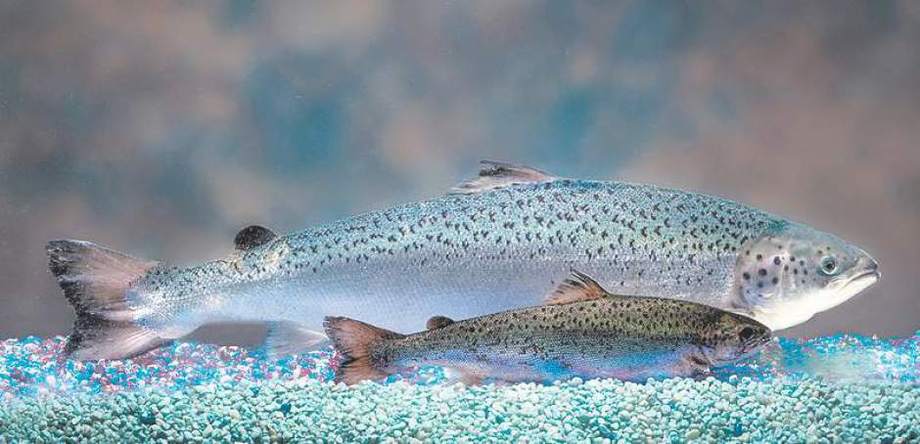
To put this into perspective, we’ll look at the AquaAdvantage salmon. Typical farmed salmon tend to be 13 inches long and 2.8 pounds; however, the genetically engineered, AquaAdvantage, salmon averages around 24 inches and 6.6 pounds. This is obviously much larger than a typical salmon, and it’s all thanks to genetic engineering. Outside of the obvious benefit of genetic engineering our food, increased food supply, genetic engineering also helps crops to build an increased resistance to pests and disease, as well as the ability to grow in harsh climates and taste better. On top of that, it’s FDA approved!
Now, you might find yourself thinking, “wow GMOs are really great!”, but don’t speak too soon. We are talking about altering the genetic material of living organisms, these benefits cannot come without risks.Genetic engineering is still a fairly new concept, so we don’t know too much about it yet! Think about all of the stigma revolving around vaping for a second, one of the biggest concerns around it is the fact that we don’t know all of the risks; this is exactly the same case with GMOs. There’s the potential for the introduction of new toxins and allergens, as well as the potential for old diseases, such as the potato famine, to resurface if one small detail of these genetically modified foods were to be misplaced. On top of all of this, GMOs could lead to over-farming and over-grazing as well as soil pollution from the amount of pesticides used. Genetically modified foods are, in a way, super-foods. They have been given abilities that they were not naturally born with, which can cause them to be resistant against pesticides leading to an overuse. The cherry on top is that the FDA is not required to disclose whether or not something was genetically engineered at this time.
So you may think you’re eating all natural foods or all organic foods, but the reality is you may not be, and you probably aren’t. But there’s no need to be worried about it. The fact of the matter is, we don’t truly know everything about everything. Almost everything has the ability to cause some sort of health risk, even the laptop I’m writing this on right now. So, keep eating what you want, keep doing what you’re doing, don’t get all stressed out because now you feel like you have to check all of your labels; it’s okay! My sole purpose of writing this is to help you understand what all those labels are about, because I know I used to see them and not think twice about it.
Do what you will with this information, and next time that fish looks a little bigger than you remember, you’ll know why!
Sources
https://www.sites.ext.vt.edu/newsletter-archive/cses/2000-02/risks.html
https://www.audubon.org/news/food-thought-environmental-risks-and-benefits-genetic-engineering
https://www.fishfarmingexpert.com/article/aquabounty-year-very-successful-despite-9m-loss/
 ORPHE Blog